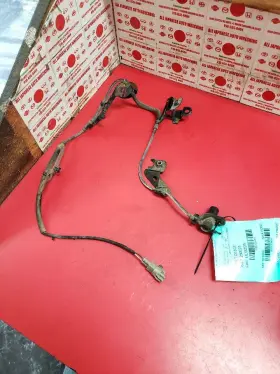
The Toyota Tacoma 548.01803 chassis sensor is an essential component of the vehicle's electronic system designed to monitor the status of the Tacoma's chassis and detect any potential issues. This sensor, manufactured by Toyota, is specifically engineered for the 2003 model year Tacoma trucks.
This sensor is a critical part of the vehicle's stability control and anti-lock braking systems. It is responsible for providing real-time data on the vehicle's suspension, steering angle, and wheel speed to the powertrain control module (PCM). The data collected by this sensor is used by the PCM to adjust the engine output, braking force, and traction control to maintain optimal vehicle performance and stability.
The design of the Toyota Tacoma 548.01803 chassis sensor is robust and durable, with a high-temperature resistance that can withstand the extreme conditions of off-road driving. The sensor is compact in size, measuring approximately 3 inches long and 1 inch in diameter, making it easy to install and replace.
The sensor comes with a plug-and-play connector, making the installation process quick and straightforward. The connector is designed to securely attach to the existing wiring harness, ensuring a snug and reliable connection. The sensor also features a waterproof design, ensuring that it remains functional even in wet or muddy conditions.
The Toyota Tacoma 548.01803 chassis sensor is engineered to last, with a long service life and a high degree of accuracy. It is calibrated to provide precise data to the PCM, ensuring that the stability control and anti-lock braking systems function optimally.
The replacement of this sensor is recommended if you notice any warning lights illuminated on your dashboard related to the stability control or anti-lock braking systems. A faulty chassis sensor can cause these systems to malfunction, potentially leading to reduced vehicle performance and handling, and in extreme cases, a loss of control while driving.
In summary, the Toyota Tacoma 548.01803 chassis sensor is a vital component of the vehicle's electronic system, responsible for monitoring the status of the chassis and providing real-time data to the powertrain control module. Its robust design, ease of installation, and long service life make it an essential investment for any Toyota Tacoma owner, ensuring optimal vehicle performance and safety.
Pros and Cons of Buying a Toyota Tacoma (2003) Chassis Sensor
The Toyota Tacoma, a popular mid-size pickup truck, is known for its durability and reliability. However, like any vehicle, it requires regular maintenance and potential replacement of sensors. One such sensor is the chassis sensor, which plays a crucial role in the proper functioning of the truck's stability control system. In this discussion, we will weigh the pros and cons of buying a chassis sensor for a 2003 Toyota Tacoma.
Pros:1. Enhanced safety: The chassis sensor helps maintain the stability of the vehicle by providing crucial data to the truck's stability control system. By ensuring accurate sensor readings, you can improve your safety on the road.
2. Better driving experience: A faulty chassis sensor can affect the truck's handling and performance. Replacing it can restore the vehicle's intended driving dynamics and help you enjoy a smoother ride.
3. Potential cost savings: Ignoring a faulty chassis sensor could lead to more significant and expensive repairs down the line. By addressing the issue promptly, you may save yourself from costly fixes in the future.
Cons:1. Cost: Replacing a chassis sensor in a 2003 Toyota Tacoma can be an expensive endeavor, with aftermarket sensors ranging from $100 to $300, depending on the brand and quality.
2. Installation complexity: Installing a chassis sensor may require some mechanical knowledge and tools. If you're not confident in your abilities, it may be best to seek professional help, which could add to the overall cost.
3. Potential for additional repairs: A faulty chassis sensor could be a symptom of a larger problem. Once you've replaced the sensor, you may discover other issues that need to be addressed, leading to additional repair costs.
Conclusion:When considering whether to buy a chassis sensor for your 2003 Toyota Tacoma, it is essential to weigh the potential benefits against the costs. A faulty sensor could negatively impact your safety, driving experience, and potentially lead to more significant repairs if left unaddressed. On the other hand, the replacement process can be expensive and complicated, especially if you're not mechanically inclined. Ultimately, the decision to buy a chassis sensor depends on your budget, comfort level with vehicle repairs, and the importance you place on safety and performance. If you prioritize these aspects and have the financial means, replacing the chassis sensor could be a worthwhile investment for your Toyota Tacoma.
Recommendation:If you have a 2003 Toyota Tacoma and suspect a problem with the chassis sensor, we recommend consulting a trusted mechanic for an inspection and diagnosis. They can help you determine if a sensor replacement is necessary and provide you with a reliable estimate for the cost and process. If you feel comfortable performing the replacement on your own, consider researching reputable aftermarket sensor suppliers and ensuring you have the necessary tools and knowledge before proceeding.
Details:
4cyl 2.7l, driver front abs sensor.
specifications perfoelectric:
- for years: 2003
- brand: Toyota Tacoma
- model: Tacoma
- part type: Sensor
- conditions options: Driver Front Abs Sensor
- genuine oem: Yes
- ipn: 548.to1803
- make: Toyota
general perfoelectric:
- category: Auto Parts > Car Truck Accessories > Delivery > Air Intake Fuel Sensors
payments perfoelectric:
- other
- credit card: diners-club
- wallet: apple-pay
shipping perfoelectric:
- type: fixed
- class: standard
- service: standard
- transit: 4-8 days
offer perfoelectric:
- sold #: 21
- prices: $9.54–$334.99
- item condition:
- Used
- New
- New with tags
- New other (see details)
- options: ship-to-home
- availability: in stock
- best offers: true
- started: may 29, 2025
- in stock #: 5
returns perfoelectric:
- policy: no returns
seller perfoelectric:
- rating: 91.4%
- city: rancho cordova, california
- # reviews: 107
Also Viewed:
- 8966104L01: CONTROL ECM ENGINE MODULE, Toyota
- 88162-0W272: MODULE SENSOR, Toyota
- 88210-06090-88210-06120: CRUISE CONTROL SENSOR, Toyota
- 89183-48010: SENSOR, Toyota
- 88162-04015: SENSOR, Toyota
- 881620C041: BUMPER SENSOR, Toyota
- 89340-04010: PARKING ASSIST MODULE, Toyota
- 8273006040: ECM, Toyota
- 89173-04020: IMPACT SENSOR, Toyota
- 8865006490: ECM BLOWER AMPLIFIER, Toyota
- 8917004630: CONTROL MODULE, Toyota